Teile für Wärmemotoren
S08645910100
O.S. ENGINES

Self -Locking Radiocomaded Self Self -Controlled Huffle O.S. FS-70SII-FS-91SII

Self -Locking Radiocomaded Self Self -Controlled Huffle O.S. FS-70SII-FS-91SII | Scientific-MHD
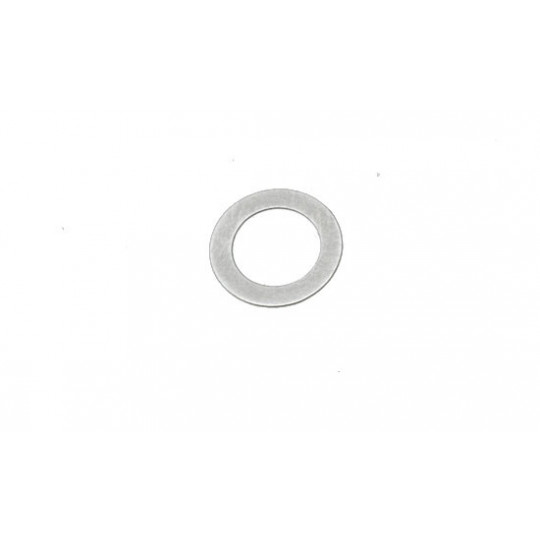
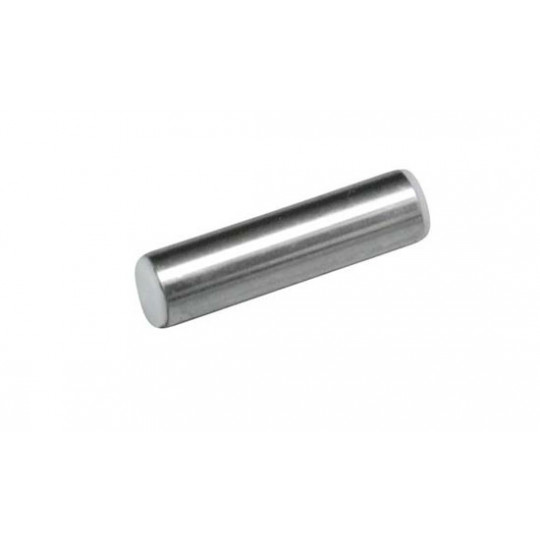
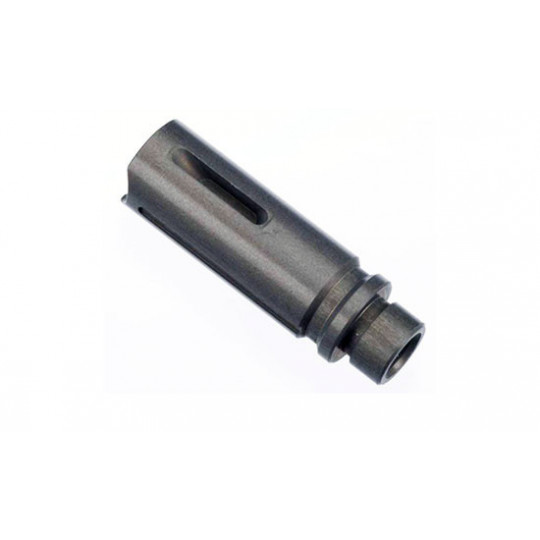
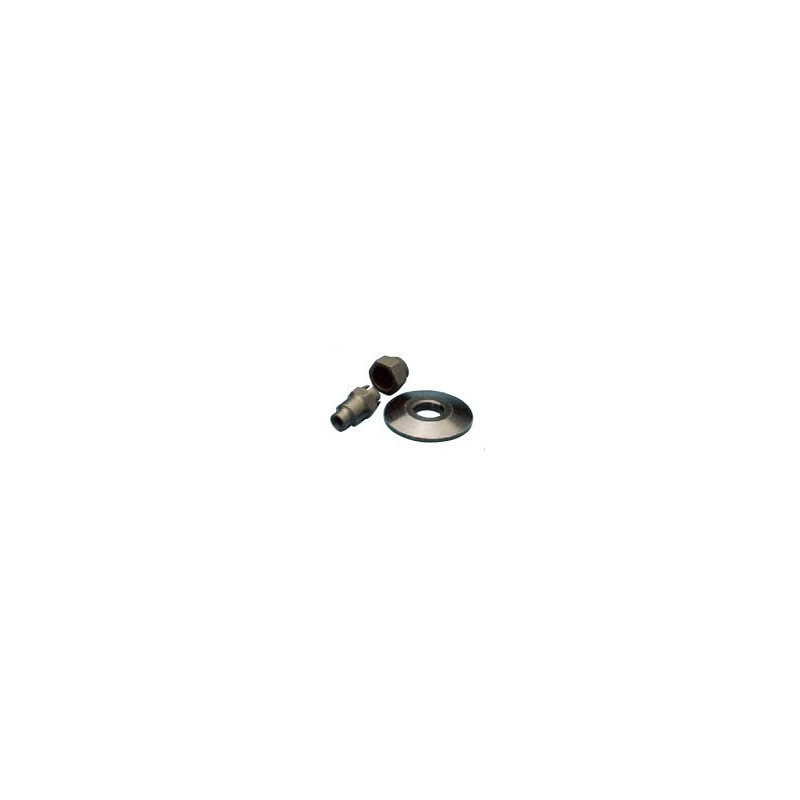
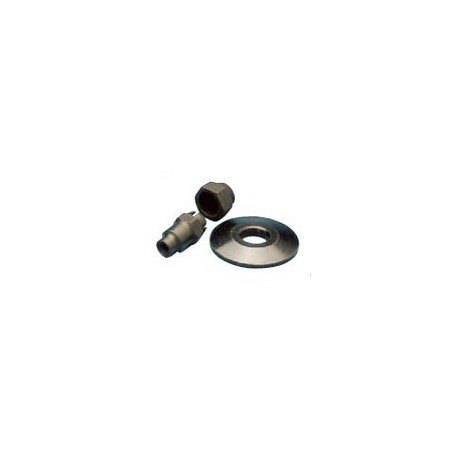
Ecrou autobloquant pour moteurs O.S. 4 temps, FS-70SII, FS-91SII, utilisés sans cône.
22,40 € Bruttopreis
Nicht auf Lager
Self -Locking Radiocomaded Self Self -Controlled Huffle O.S. FS-70SII-FS-91SII | Scientific-MHD

Self -Locking Radiocomaded Self Self -Controlled Huffle O.S. FS-70SII-FS-91SII

Plus de details Nicht auf Lager

Self -Locking Radiocomaded Self Self -Controlled Huffle O.S. FS-70SII-FS-91SII

22,40 €

Schneller Versand

Per Chronopost 24H

Per DPD 24/48H

Colissimo 48/72H

340141 Produkte auf Lager

Echte Lagerbestände angezeigt

Sichere Zahlung

paiement.png logo-cic.png logo-payplug.png logo-fintecture.png
Google Logo 4.6/5
flag.png

Spezialist seit 1955

Schneller Versand

Per Chronopost 24H

Per DPD 24/48H

Colissimo 48/72H

340141 Produkte auf Lager

Echte Lagerbestände angezeigt

Sichere Zahlung

paiement.png logo-cic.png logo-payplug.png logo-fintecture.png
Google Logo 4.6/5
flag.png

Spezialist seit 1955

Self -Locking -Nuss für O.S. -Motoren 4 Strokes, FS-70SII, FS-91SII, ohne Kegel.
Motorzubehör Typen
Nüsse
Motoren
Thermal
Nutzungsniveau/Schwierigkeitsgrad
Thermal
Produkttypen
Motoren und Variatoren für funkkontrollierte Modelle
Motorzugriffszugriffe
Nüsse
Produkte, die Ihnen gefallen könnten
Versand innerhalb von 48 Stunden
Rückgabe und Umtausch innerhalb von 14 Tagen
Three masts boat from 1817\nThe H.M.S.Beagle was built around 1817. Class: three-masted boat. Length: 28 m. roughly. Armament: 8 cannons (before transformation). Employed at the beginning as a coastal boat, it was then intended and equipped for the scientific observations which led it, through the Atlantic and the Pacific., To the most distant lands. In order to be able to govern the ship more easily along the barriers of the Pacific Islands, an artimon mast transformed the Beagle into a three-masted boat was added. In consideration of the peaceful goals of the Les Cannons expeditions were removed. December 27, 1831: The Beagle leaves Plymouth, England, for a long exploration trip. On board one of the most famous scholars, Charles Darwin who, through the many experiences and subtle observations made during the trip will develop his famous theory of evolution.\n